Category: Automobile

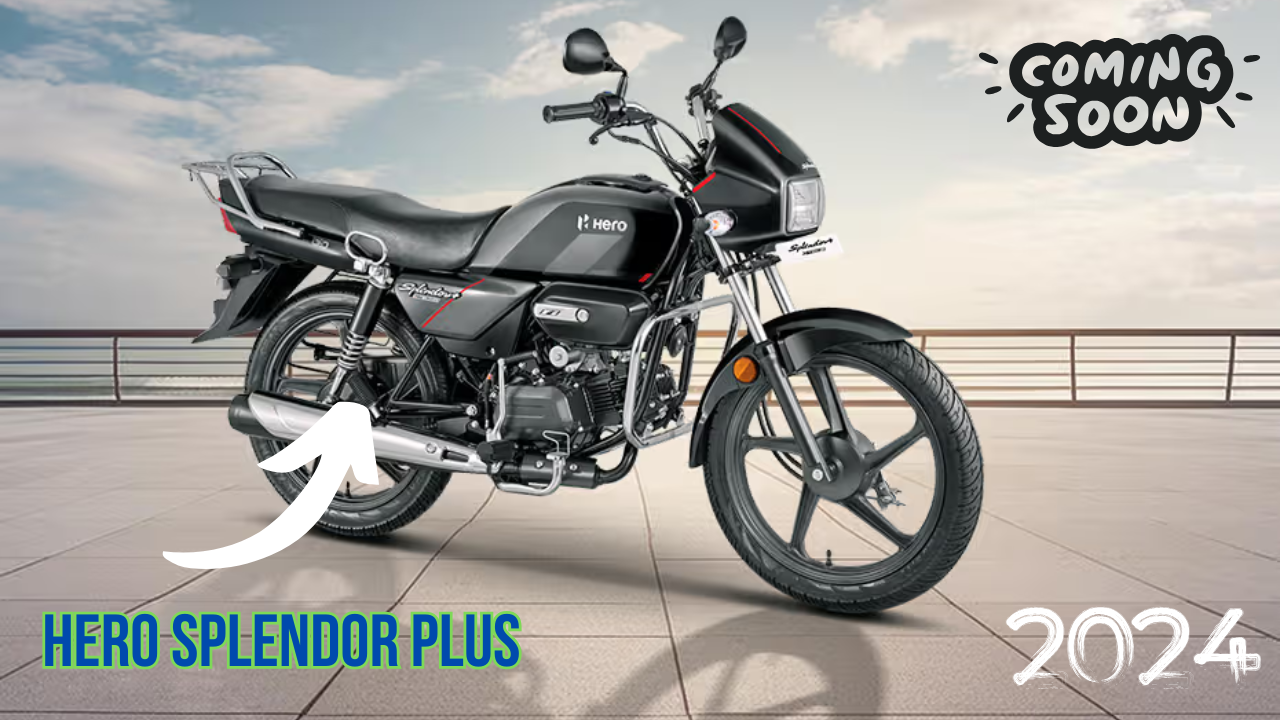
  • Hero Splendor Plus: The Best Budget Bike for Indians

    Hero Splendor Plus: The Best Budget Bike for Indians

    Hero Splendor Plus is not just a motorcycle; it’s an institution in India’s two-wheeler market. Known for its affordability, fuel efficiency, and reliability, it has won the trust of millions of Indians over several decades. Whether on crowded city streets or rural highways, the Splendor Plus has established itself as the go-to bike for many, consistently maintaining its position as one of the best-selling motorcycles in the country.

    A Legacy of Trust

    Since its introduction in the early 1990s, the Hero Splendor quickly became a household name. Its simple design, low maintenance, and excellent fuel efficiency made it the preferred choice of riders across India. The Splendor Plus, an upgraded version of the original model, continues this legacy by offering modern features while staying true to its roots. Over the years, it has been embraced by a wide demographic, from young urban commuters to rural riders looking for a reliable mode of transport.

    The Heart of the Matter: Engine and Performance

    The Hero Splendor Plus features a 97.2cc air-cooled, 4-stroke single-cylinder engine. While not large in capacity, this engine strikes the right balance between performance and fuel efficiency. With 8.02 PS of power at 8000 rpm and 8.05 Nm of torque at 5000 rpm, it provides sufficient power for daily commutes and occasional long rides.

    The key highlight is the fuel efficiency, with a claimed mileage of up to 80 km, making it one of the most economical motorcycles available today. This frugality at the pump is one of the main reasons for its popularity, especially in a country where fuel costs often determine the choice of vehicle.

    Design Evolution: Blending Tradition with Modernity

    While the Splendor Plus retains its classic design, Hero MotoCorp has made subtle updates to keep it fresh and appealing. The new models feature sleeker lines and modern graphics, making the motorcycle more attractive to younger buyers. Additionally, including LED daytime running lights and a semi-digital instrument cluster adds sophistication while improving the rider’s visibility and convenience.

    The instrument cluster provides all the essential information at a glance, including a real-time fuel efficiency indicator, which ties back to the bike’s emphasis on economy. These design and tech updates ensure that the Splendor Plus remains relevant in a competitive market without straying too far from its core identity.

    Riding Comfort and Practicality

    One of the Splendor Plus’s most praised features is its comfort. The long, well-padded seat is designed to accommodate riders of all sizes, offering a smooth and comfortable ride even on long journeys. The upright riding position and well-tuned suspension make it suitable for city commuting and longer rides on rough rural roads.

    Practicality is another area where Splendor Plus excels. It offers a lockable utility box under the seat for storing small items, a sturdy rear grab rail for added convenience, and a flat pillion seat that enhances its versatility. These features are crucial for Indian families who use their bikes for more than just commuting – for carrying groceries, parcels, and even larger loads.

    Technological Advancements: Keeping Pace with the Times

    Hero MotoCorp has ensured that the Splendor Plus is not left behind regarding technological updates. Introducing the i3S (Idle Start-Stop System) is one such innovation. This system automatically shuts off the engine when idling and restarts it when the clutch is engaged. It significantly boosts fuel efficiency and reduces emissions, which is especially useful in stop-and-go traffic.

    The shift from the old carburetor system to programmed fuel injection (PFI) has improved the Splendor Plus’s fuel efficiency and performance. The PFI system ensures better cold starts, smoother power delivery, and compliance with BS6 emission norms, making it cleaner and more efficient.

    Safety Features: Prioritizing Rider Protection

    Road safety has become a key concern for motorcycle manufacturers today, and Hero has not overlooked this aspect. The integrated braking system (IBS), available in some variants, ensures that the rider experiences enhanced braking performance, especially during emergency stops. This system applies force to both the front and rear wheels when the rear brake is engaged, improving overall stability.

    One of the Splendor Plus’s key strengths continues to be its robust build quality, which offers riders a sense of security. Additionally, tubeless tires, which are now standard across most variants, help reduce the risk of sudden deflation and make repairs easier.

    Market Position and Competition

    Despite a flood of new entrants into the commuter motorcycle segment, the Splendor Plus has managed to maintain its stronghold in the market. Hero’s pricing strategy remains a central selling point, offering several variants at different prices to cater to a wide range of buyers. Whether you’re a first-time buyer or someone seeking a more feature-rich model, the Splendor Plus offers a variety of choices.

    However, the motorcycle faces competition from rivals like the Bajaj Platina and the TVS Star City Plus, which also offer fuel-efficient and reliable alternatives. Nevertheless, Splendor Plus’s reputation for reliability and comprehensive service network continues to make it the preferred choice for millions of Indians.

    Environmental Considerations and Future Outlook

    As India moves towards cleaner mobility solutions, the future of commuter motorcycles like the Splendor Plus is exciting. Hero MotoCorp has already shown interest in electric and hybrid versions of its popular models. The challenge lies in maintaining the Splendor’s core attributes of affordability, reliability, and efficiency while integrating new green technologies.

    Industry insiders speculate that we may soon see an electric version of the Splendor Plus, the Splendor E-Plus. This model could revolutionize the two-wheeler market, just as its petrol-powered predecessor did. The success of such a model could be pivotal in India’s transition to electric mobility.

    Hero Splendor Plus: An Enduring Legacy

    The Hero Splendor Plus is more than just a motorcycle. It’s an iconic part of India’s mobility culture. Over the years, it has evolved while staying true to simplicity, reliability, and affordability. These attributes have helped it maintain its popularity, making it one of the most trusted motorcycles in the country.

    As Hero MotoCorp continues to innovate and respond to changing consumer demands, the Splendor Plus is set to remain a cornerstone of India’s motorcycle landscape. Whether it continues with its internal combustion engine or transitions to electric power, one thing is sure – the Splendor Plus will remain a symbol of reliability and efficiency for generations.

    In a constantly evolving market, the Hero Splendor Plus has proven that some things—like dependability and efficiency—never go out of style. It is, and will continue to be, a motorcycle millions of Indians can rely on for their daily journeys.
  • Hyundai Venue: The Future of Compact SUVs in Urban Mobility

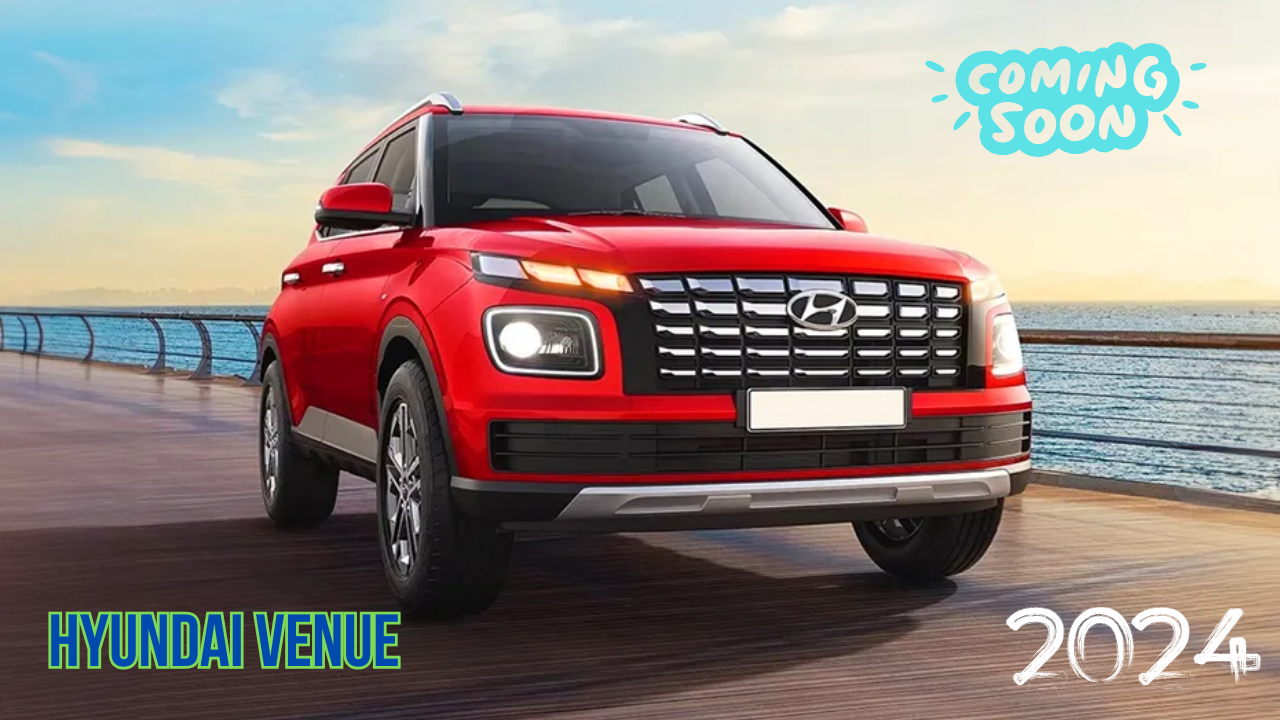
    Hyundai Venue: The Future of Compact SUVs in Urban Mobility

    Hyundai Venue: The Future of Compact SUVs in Urban MobilityIn the ever-evolving world of automotive technology, the Hyundai Venue stands as a testament to the brand’s commitment to producing cutting-edge vehicles that meet the dynamic needs of modern consumers. Since its debut, the Hyundai Venue has redefined the expectations of compact SUVs, offering a perfect blend of performance, style, technology, and practicality. The Venue is undoubtedly a standout choice for those looking for a vehicle that can navigate crowded city streets while providing ample space and advanced features.

    A Design That Captures Attention

    The Hyundai Venue boasts a bold and sophisticated design language, striking a perfect balance between modern aesthetics and functional design. Though compact, this SUV offers ample space, both in the cabin and for cargo. Measuring 3,995mm in length, 1,770mm in width, and 1,617mm in height, the Venue is ideally suited for urban driving, maneuvering easily through tight city streets while providing a spacious interior for passengers.

    The front of the vehicle is dominated by the signature Hyundai cascading grille, flanked by sharp, angular LED headlamps, giving it a strikingly contemporary look. The car’s design offers a perfect mix of style and practicality, ensuring that the Venue stands out on the road. The 2,500mm wheelbase ensures stability, while the 195mm ground clearance makes the Venue capable of handling urban obstacles and occasional rough terrain.

    Power and Performance: Efficiency Meets Punchy Power

    Regarding powertrains, Hyundai offers a range of engine options that perfectly balance efficiency and performance, making the Venue an ideal choice for city driving without compromising on power. The 1.2-liter naturally aspirated petrol engine produces 83 PS and 114 Nm of torque, making it perfect for urban environments where traffic and stop-and-go conditions are expected.

    For those seeking more power and thrill, the 1.0-liter turbocharged petrol engine delivers an impressive 120 PS and 172 Nm of torque, ensuring quick acceleration and highway cruising. The 1.5-liter CRDi diesel engine also offers 100 PS and 240 Nm of torque, providing excellent torque for higher fuel efficiency and driving comfort.

    Hyundai also offers three transmission options: a 5-speed manual, a 6-speed manual, and a 7-speed dual-clutch automatic. These choices cater to diverse driving preferences, whether you prefer a more hands-on driving experience with a manual transmission or the convenience of an automatic.

    Interior: Technology That Transforms the Drive

    The interior of the Hyundai Venue is a true marvel, offering a cabin packed with features that enhance both comfort and convenience. The centerpiece is the 8-inch touchscreen infotainment system, which supports Apple CarPlay and Android Auto, allowing for seamless connectivity to smartphones and other devices. Whether navigating through a busy city or relaxing on a longer drive, the ability to stream music, make hands-free calls, and use navigation apps enhances the overall driving experience.

    For those who crave innovation, the Venue comes equipped with Hyundai’s BlueLink connected car technology, which boasts over 60 features, including remote engine start, climate control, and vehicle tracking. With BlueLink, the Venue offers a level of connectivity and power rare in this segment, ensuring that owners can access important vehicle information and remote management at their fingertips.

    The Venue’s cabin also features a digital instrument cluster, which provides the driver with essential information in a sleek and easy-to-read format. Additionally, wireless charging, a cooled glovebox, and a premium sound system create a level of luxury that elevates the entire driving experience.

    Safety Features: Built with Confidence

    Hyundai has prioritized safety with the Venue, equipping it with a range of features that ensure the well-being of the driver and passengers. The Venue comes standard with six airbags, ABS with EBD, Electronic Stability Control (ESC), and Vehicle Stability Management (VSM), all of which provide enhanced protection during a collision.

    The high-strength steel body structure further improves the vehicle’s crash protection. At the same time, the rear parking camera with dynamic guidelines ensures that parking and maneuvering in tight spaces is a breeze. Hyundai’s Hill Assist Control also adds a layer of convenience and safety when starting on inclines, making the Venue a reliable companion in various driving situations.

    Fuel Efficiency: A Practical Choice for Urban Drivers

    In today’s world, fuel efficiency is crucial for any driver, especially with rising fuel costs and environmental concerns. The Hyundai Venue excels in this department, offering excellent mileage across its various powertrains. The petrol variants deliver a fuel efficiency of 18.27 km, ensuring that daily commutes don’t come with high fuel expenses.

    For those opting for the diesel variant, the fuel efficiency is even better, with an impressive 23.4 km. This makes it an ideal choice for those looking to maximize their driving range on long trips or through congested city roads. This impressive fuel efficiency not only reduces running costs but also aligns with consumers’ growing eco-consciousness.

    Market Impact: A Sales Success

    Since its launch, the Hyundai Venue has quickly become a top contender in the compact SUV market, consistently ranking among the best-selling SUVs in various markets. In India, one of its primary markets, the Venue has sold over 300,000 units, an impressive figure that underscores its popularity and demand. The vehicle’s success can be attributed to its attractive blend of style, features, and competitive pricing.

    The Venue has also gained significant traction in other international markets, including the United States, where it serves as an entry-level SUV in Hyundai’s extensive lineup. The Venue’s success is a testament to the brand’s ability to cater to the needs of a diverse customer base, from young professionals and small families to city dwellers and those looking for an efficient yet stylish ride.

    The Competitive Landscape

    The compact SUV segment is incredibly competitive, with several well-established players, including the Maruti Suzuki Vitara Brezza, Tata Nexon, and Kia Sonet. However, the Hyundai Venue has managed to carve out its niche thanks to its stylish design, robust feature set, and Hyundai’s reputation for reliability.

    While rivals like the Kia Sonet and Maruti Vitara Brezza offer similar features and competitive pricing, the Hyundai VVenue stands out due to itsblend of advanced technology, superior interior design, and premium features

    Future Outlook: What’s Next for the Venue?

    Hyundai has no plans of slowing down with the Venue. The company is reportedly working on updates for the model, including the possibility of introducing a mild-hybrid system to enhance fuel efficiency further. This aligns with Hyundai’s broader strategy of providing more sustainable mobility solutions to its customers.

    Additionally, rumors suggest that Hyundai is considering an all-electric variant of the Venue. This would help the company meet global demands for cleaner, greener alternatives, aligning with the automotive industry’s ongoing shift towards electrification and sustainable driving solutions.

    Global Recognition: A Respected Choice

    The Hyundai Venue’s global recognition is evident, having received numerous accolades from automotive journalists and industry experts. Its design, advanced technology integration, and overall value proposition have earned it a spot among the top choices in the compact SUV segment. These awards further bolster the Venue’s position as a top-tier vehicle in a highly competitive segment.

    Conclusion: More Than Just a Compact SUV

    The Hyundai Venue represents much more than jnother compact SUV in a crowded market. It is a perfect example of how thoughtful design, cutting-edge technology, and understanding of consumer needs can create a vehicle that transcends traditional automotive categorizations. The Venue is compact yet spacious, efficient yet powerful, and packed with features typically reserved for larger, more expensive cars.

    As urban environments grow denser, the demand for intelligent, efficient, and technologically advanced vehicles like the Hyundai Venue will only increase. It has already proven to be a top choice for many customers, and its future looks brighter. With continued innovation and a keen understanding of evolving consumer demands, the Hyundai Venue is poised to remain a key player in shaping the future of urban mobility.

    In short, the Hyundai Venue is not just a compact SUV—it is a glimpse into the future of personal transportation in our rapidly changing cities, where efficiency, technology, and design must come together to create vehicles that meet the demands of the modern world.

  • 2024 Toyota Raize: The Compact Crossover That Sets New Standards

    2024 Toyota Raize: The Compact Crossover That Sets New Standards

    In the competitive world of compact crossovers, the 2024 Toyota Raize has emerged as a standout. Combining a bold design, practical features, and an efficient performance package, the Raize impresses urban drivers and small families looking for a vehicle that balances style and functionality. Whether navigating busy city streets or enjoying a weekend getaway, the Toyota Raize offers an impressive driving experience focusing on safety, comfort, and performance. This comprehensive review delves into what makes the 2024 Raize a formidable contender in the compact crossover segment.

    Toyota Raize 2024: A Bold and Youthful Design

    The exterior of the 2024 Toyota Raize is unmistakable, featuring a youthful and dynamic design that attracts attention from every angle. With a compact size of 4030mm in length, 1710mm in width, and a height of 1605mm, it provides an ideal balance between maneuverability and SUV-like presence. The front end features Toyota’s signature trapezoidal grille, flanked by sleek LED headlights that give the Raize an aggressive and modern look. The sporty design is accentuated by a dynamic character line running from the front fenders to the rear, creating a sense of motion even when stationary.

    The elevated 200 mm ground clearance adds to the SUV’s appeal, allowing the Raize to handle light off-road terrains with ease while remaining city-friendly. Available in various bold colors and two-tone options, the Raize allows for personalized expression. The GR Sport variant, in particular, stands out with sporty bumpers, a unique grille design, and exclusive badging, catering to those who desire a more athletic appearance.

    Interior Comfort: Practical Yet Premium

    Step inside the 2024 Toyota Raize, and you’ll find a cabin that punches above its weight class. Toyota has ensured that even in a compact crossover, occupants enjoy a comfortable experience. The interior features a driver-centric design, with all essential controls within easy reach. High-quality materials throughout the cabin give the Raize a more premium feel than most vehicles in this segment.

    The Raize comfortably seats five passengers with ample space, offering generous headroom and legroom in front and rear. The rear seats can be folded in a 60:40 split, expanding cargo space for oversized items. Clever storage solutions, including large door pockets and a spacious center console, add to the cabin’s practicality. The higher trim levels come with leather-appointed seats, bringing a touch of luxury to the interior. For those who crave a sportier feel, the GR Sport variant features sports seats with enhanced bolstering and exclusive stitching patterns, further elevating the interior experience.

    Technology and Infotainment: Connectivity at Its Best

    The 2024 Toyota Raize isn’t just about looks—it’s equipped with technology that ensures you stay connected and entertained on every journey. At the heart of the infotainment system is a responsive touchscreen display (size varies by trim level) that supports both Apple CarPlay and Android Auto so drivers can seamlessly connect their smartphones. The system’s interface is intuitive, making it easy to navigate through various functions while keeping the focus on the road.

    Higher trims offer a digital instrument cluster, allowing drivers to customize the information displayed on their dashboard. The Raize also offers a premium sound system option, delivering crisp audio for those who appreciate high-quality sound. Additional tech features include keyless entry, push-button start, automatic climate control, and a rear-view camera with parking sensors. Some trims also offer wireless smartphone charging pads for added convenience.

    Performance and Powertrain: A Choice of Engines for Every Driver

    The 2024 Toyota Raize offers two engine options to cater to different driving preferences and needs. The first option is a 1.2-liter naturally aspirated three-cylinder engine that produces 87 horsepower and 113 Nm of torque. The second, more powerful option is a 1.0-liter turbocharged three-cylinder engine that generates 97 horsepower and 140 Nm of torque. Depending on the trim level, both engines offer the choice between a 5-speed manual transmission and a Continuously Variable Transmission (CVT).

    The CVT option provides smooth and efficient acceleration, making it perfect for city driving, where stop-and-go traffic is expected. On the other hand, the manual transmission appeals to enthusiasts who enjoy a more engaging driving experience. In terms of fuel efficiency, both engine options perform admirably. The 1.2-liter variant delivers an impressive 18-20 km/l, while the turbocharged 1.0-liter engine manages 16-18 km/l in mixed driving conditions, making the Raize an efficient choice for daily commutes and long drives.

    Safety Features: Toyota’s Commitment to Protection

    Safety has always been a top priority for Toyota, and the 2024 Raize is no exception. The compact crossover comes equipped with a robust suite of standard safety features, including:

    • Anti-lock Braking System (ABS) with Electronic Brake-force Distribution (EBD)
    • Vehicle Stability Control (VSC)
    • Traction Control
    • Hill-start Assist Control
    • Multiple airbags (front, side, and curtain)
    • ISOFIX child seat anchors

    For those seeking additional peace of mind, higher trim levels, particularly the TSS (Toyota Safety Sense) variant, come equipped with advanced driver assistance features, such as:

    • Pre-collision System with Pedestrian Detection
    • Lane Departure Alert
    • Automatic High Beam
    • Dynamic Radar Cruise Control

    These safety technologies are designed to reduce the risk of accidents and enhance the overall driving experience.

    Trim Levels and Pricing: Affordable Luxury

    The 2024 Toyota Raize is available in multiple trim levels, ensuring a model to fit various budgets and preferences. Prices may vary depending on the market and local taxes, but here’s an overview of the Philippine pricing:

    • 1.2 E MT – Starting at ₱751,000
    • 1.2 E CVT – Priced at ₱841,000
    • 1.2 G CVT – Available for ₱936,000
    • 1.0 Turbo CVT – Starting at ₱1,063,000
    • 1.0 Turbo GR Sport CVT – Priced higher for a sportier look
    • 1.0 Turbo GR Sport CVT TSS – The top-tier model, equipped with all advanced safety features

    Even the base model comes well-equipped with essential features, making the Raize a great value proposition.

    Driving Experience: Agile, Comfortable, and Fun

    The 2024 Toyota Raize is a joy to drive, offering an excellent balance of comfort, agility, and performance. Its elevated seating position provides excellent visibility, making navigating urban environments or highways easy. The 1.2-liter engine delivers enough power for daily driving, while the turbocharged 1.0-liter engine adds a sprightly performance character, perfect for those who enjoy a more engaging driving experience.

    Handling is predictable and secure, with minimal body roll even on winding roads. The suspension system is tuned to provide a smooth ride, soaking up road imperfections without sacrificing control. Its compact size and tight turning radius make parking and maneuvering in busy city streets a breeze.

    Customization and Accessories: Tailor Your Raize

    Toyota offers a wide range of genuine accessories for the 2024 Raize, allowing owners to personalize their vehicles to suit their preferences. Available accessories include:

    • Exterior enhancements like body kits and decal sets
    • Interior upgrades such as illuminated scuff plates and premium floor mats
    • Practical additions like roof racks and cargo organizers
    • Technology upgrades like dash cams and enhanced sound systems

    The GR Sport variants come with their own accessories, catering to customers who want to enhance their vehicle’s sporty look and feel.

    Why Choose the 2024 Toyota Raize?

    The 2024 Toyota Raize is more than just a compact crossover; it combines efficiency, style, and practicality in a way that few others in its class can match. With its bold design, comfortable interior, impressive fuel economy, and advanced safety features, it’s a fantastic option for those needing a versatile and reliable vehicle for city driving and weekend getaways.

    Although there are some areas where improvements can be made, such as engine power in the base models and the appeal of the CVT transmission to driving enthusiasts, the 2024 Toyota Raize excels in providing a balanced driving experience with impressive features at a competitive price point.

    As Toyota continues to redefine what it means to drive a compact crossover, the 2024 Toyota Raize is poised to lead the charge,. It will capture the attention of buyers who want a reliable, stylish, and efficient vehicle for modern living.

  • 90s Yamaha RX 100 bike will hit the market again

    90s Yamaha RX 100 bike will hit the market again

    Yamaha RX 100: In a thrilling announcement that has captivated motorcycle enthusiasts across India, Yamaha is set to revive one of its most iconic motorcycles—the RX 100. This legendary two-stroke bike, which once dominated Indian roads in the 1980s and 1990s, will return with a modern twist, making it a hot topic among veteran riders and curious younger generations.

    Yamaha RX 100: A Brief History of an Icon

    The Yamaha RX 100 debuted in India in 1985, quickly establishing itself as a speed, style, and rebellion symbol. Its powerful two-stroke engine, light frame, and distinctive growl captivated Indian youth. Riding an RX 100 was more than just transportation; it was a rite of passage and a status symbol.

    Ravi Kumar, a 55-year-old businessman from Delhi, fondly recalls, “I bought my RX 100 in 1987. The acceleration, the sound—it was all pure magic. I still have it, and it’s like keeping a part of my youth alive.” Despite production ending in 1996, the RX 100’s legacy endured through well-maintained models, restorations, and dedicated fan clubs.

    Why Bring Back the RX 100 Now?

    Yamaha’s decision to resurrect the RX 100 is a strategic move and a nostalgic nod to its fans. By reintroducing the bike with modern enhancements, Yamaha aims to capture a unique segment in India’s motorcycle market that craves retro styling blended with contemporary features.

    In a recent press conference, Ishin Chihana, President of Yamaha Motor India, emphasized, “The RX 100 is a part of India’s cultural fabric. We’re returning it for the 21st century, but with its original soul intact.”

    Features of the New Yamaha RX 100

    • Modern Engine: The new RX 100 will feature a 4-stroke, 150cc engine instead of the original 98cc two-stroke unit. This change aligns with current emission norms while maintaining the peppy performance that made the RX 100 famous.
    • Retro-Modern Design: The bike retains its iconic teardrop tank, round headlamp, and sleek silhouette. However, subtle updates give it a contemporary edge, blending nostalgia with modernity.
    • Technology Upgrades: Expect features like LED lighting, a digital-analog instrument cluster, and possibly Bluetooth connectivity, catering to tech-savvy riders.
    • Safety Enhancements: Standard ABS (Anti-lock Braking System), improved suspension, and better braking systems ensure enhanced safety and ride quality.
    • Customization Options: Yamaha acknowledges the mod culture surrounding the RX 100 and plans to offer a range of official customization kits and options.

    Nostalgia Meets Modern Standards: Emission Compliance

    Meeting stringent BS6 emission norms meant the new RX 100 had to transition from its beloved two-stroke engine. While purists may lament this change, it reflects Yamaha’s commitment to balancing nostalgia with sustainability. The four-stroke engine offers cleaner emissions and modern performance without compromising the bike’s character.

    Positioning and Pricing

    Yamaha aims to position the RX 100 as a premium commuter bike with retro flair. The estimated price range of ₹1.25 lakh to ₹1.50 lakh (ex-showroom) will place it in direct competition with models like the Royal Enfield Classic 350 and the Jawa 42.

    Automotive analyst Puneet Gupta notes, “Yamaha is tapping into nostalgia and the retro trend in motorcycles. If priced right, the new RX 100 could dominate its segment.”

    Enthusiast Reaction: Excitement and Apprehension

    The announcement has sparked widespread discussions in motorcycle clubs nationwide. While excitement is palpable, some veteran riders express concerns about losing the RX 100’s two-stroke essence.

    Amit Desai, President of the Vintage Riders Club of India, shares, “We’re thrilled to see the RX name return, but there’s apprehension about it losing its character. Balancing old-school charm with modern requirements will be key.”

    Challenges for the New RX 100

    Despite the excitement, Yamaha faces several challenges in reviving the RX 100:

    • High Expectations: The original RX 100 enjoys legendary status. Matching these expectations with a modernized version is no small feat.
    • Emission Norm Compliance: The shift to a four-stroke engine was necessary but risks alienating purists.
    • Crowded Market: The retro motorcycle segment is already crowded. The RX 100 must carve out its niche amid stiff competition.
    • Pricing Strategy: Striking a balance between modern technology and an appealing price point will be crucial to attracting nostalgic older riders and new-generation enthusiasts.

    The Indian Motorcycle Market: A New Trend

    The RX 100’s revival reflects a broader trend in India’s two-wheeler market, where buyers seek more than simple point-A-to-B transportation. Riders now crave motorcycles with character, history, and emotional appeal.

    Market analyst Dr. Sridhar Sunderraman observes, “The Indian motorcycle market is maturing. Urban buyers, in particular, are willing to pay for bikes that offer an experience. The RX 100 fits this growing demand.”

    Local Economic Impact

    The return of the RX 100 could boost local economies, especially in areas where the original model was popular. Workshops that have sustained themselves by servicing old RX 100s anticipate a surge in demand for customizations and repairs.

    Mohan Lal, a workshop owner in Pune, shares, “I’ve been working on RX 100s for three decades. With the new model, I’m planning to expand. It’s not just about repairs; there will be a big market for customizations.”

    Bridging the Past and Future: Sustainability and Legacy

    The new RX 100 represents Yamaha’s dedication to progress and sustainability by evolving to meet modern emission standards. Environmental activist Sunita Narain praises the move: “The RX 100’s evolution shows that progress and sustainability can coexist.”

    More Than Just a Bike

    The return of the Yamaha RX 100 is more than a relaunch; it’s the revival of memories and passions, bridging generations of riders. The success of the new RX 100 will depend on its ability to capture the original’s spirit while catering to modern needs—a challenge but one that Yamaha is uniquely positioned to overcome.

    As anticipation builds, the iconic RX 100’s rumble will soon echo on Indian roads again, combining nostalgia with innovation in a motorcycle experience unlike any other.

  • How Many Attempts Are Allowed for JEE Mains? A Complete Guide to Crack the Exam with Every Chance

    How Many Attempts Are Allowed for JEE Mains? A Complete Guide to Crack the Exam with Every Chance

    The Joint Entrance Examination (JEE) Main is one of the most competitive exams in India, serving as the gateway to prestigious engineering institutes like the NITs and IIITs and a qualifying test for JEE Advanced. For aspirants preparing rigorously, knowing how many attempts they have for JEE Mains and using each opportunity wisely can be the key to success. In this blog, we’ll explore the attempt limits, eligibility criteria, preparation strategies, recent updates, and more to help you maximize your chances of success.

    Overview of JEE Mains and Its Significance

    The National Testing Agency (NTA) conducts JEE Main annually, and its importance cannot be overstated. It is a standardized test used for admissions to undergraduate engineering programs across various institutes in India. Success in JEE Mains opens doors not just to prestigious colleges but also to multiple career avenues.

    How Many Attempts for JEE Mains?

    Total Number of Attempts Allowed
    Students can appear for JEE Mains for three consecutive years after completing their 12th-grade exams. Since JEE Mains is conducted twice yearly (usually in January and April), candidates have up to six attempts to achieve their desired rank and score.

    For example, if students appear for the first time in 2024, they can take the exam in 2024, 2025, and 2026. Within these years, they can appear twice yearly, totaling up to six attempts.

    Why Multiple Attempts Matter
    Having more than one opportunity in a year helps reduce the stress and pressure of a “one-shot” exam. It allows students to learn from mistakes, improve performance, and aim for better scores. Additionally, the best score of all attempts in a given year is considered for admissions, giving candidates ample scope for improvement.

    Recent Changes in JEE Mains Attempts and Eligibility Criteria (2024 Update)

    Understanding eligibility criteria is crucial for planning JEE Mains attempts. Here’s a quick look at recent updates:

    • Age Limit: There is no age limit for appearing in JEE Mains. Candidates must meet only the age criteria of the institutes they are applying to.
    • Educational Qualification: Aspirants must have passed their 12th-grade (or equivalent) examination or be appearing in it, with Physics, Chemistry, and Mathematics as core subjects.
    • Number of Attempts: As mentioned earlier, three consecutive years with two attempts per year.

    Crafting a Winning Strategy for JEE Mains Attempts

    1. Start Early and Build Strong Foundations
    Begin your preparation as early as possible, preferably during 11th grade, so that you can cover the basics thoroughly. The foundation of Mathematics, Physics, and Chemistry must be strong, as JEE Mains focuses heavily on conceptual clarity and application.

    2. Use the First Attempt to Assess Yourself
    Treat your first JEE Mains attempt as a way to assess your strengths and weaknesses. This attempt should be focused on understanding the exam pattern, time management, and question types. Analyzing your performance here can help fine-tune your strategy for the next attempt.

    3. Focus on Mock Tests and Previous Year Papers
    Regular practice through mock tests and solving previous years’ question papers can significantly boost your confidence. It will help you get accustomed to the exam pressure and improve your speed and accuracy.

    4. Effective Time Management and Revision Plan
    Divide your study schedule effectively to include ample time for revision. Use the time between attempts to focus on your weak areas and fine-tune your strategy.

    Success Stories: Making Every Attempt Count

    Consider the journey of [Example Candidate – Insert Real Name or Make It Fictional], who cracked JEE Mains in her fourth attempt in 2023 after analyzing her mistakes and focusing on consistent practice. Her story is a testament to how every attempt is a learning opportunity, and with persistence and dedication, success is achievable.

    Essential Preparation Tips for JEE Mains Attempts

    1. Understand the Syllabus Thoroughly
      Cover every topic specified in the JEE Mains syllabus and focus on areas where you are weak.
    2. Make a Realistic Study Plan
      Create a plan that balances study time, mock tests, and relaxation. Overburdening yourself can lead to burnout.
    3. Seek Guidance
      Coaching classes, online tutorials, and mentor support can clarify complex topics.
    4. Time Management During the Exam
      Practice time management through mock tests. Try to solve questions quickly and accurately without getting stuck on one problem.
    5. Utilize High-Quality Study Material
      Stick to trusted study material and NCERT textbooks to ensure you’re learning from reliable sources.

    FAQs About JEE Mains Attempts

    Q1. How many times can I appear for JEE Mains in a year?
    A: JEE Mains is conducted twice a year, allowing candidates two attempts per year.

    Q2. What is the maximum number of attempts allowed for JEE Mains?
    A: Candidates can appear for JEE Mains for three consecutive years, giving six attempts.

    Q3. Does appearing multiple times affect my chances of selection?
    A: No, only your best score out of all attempts in a given year is considered for admission.

    Q4. Are there any age restrictions or JEE Mains?
    A: There is no age limit for appearing in JEE Mains. However, institutes may have their age criteria.

    Q5. Is it mandatory to appear for both attempts in a year?
    A: No, it is not mandatory. Candidates can choose to appear in either one or both sessions, according to their preference.

    Make the Most of Your JEE Mains Attempts

    Each attempt for JEE Mains is a chance to improve and succeed. You can maximize your performance by understanding the number of attempts allowed, staying updated with eligibility criteria, and crafting a strategic preparation plan. Remember, consistent effort, time management, and learning from each attempt can pave the way for success.

    As you gear up for your JEE Mains journey, leverage every opportunity to grow, learn, and achieve your best score. Each attempt is a step closer to your dream of entering India’s premier engineering institutes. Good luck!

  • Tata Sumo: The Legendary SUV Returns in 2024 New Model

    Tata Sumo: The Legendary SUV Returns in 2024 New Model

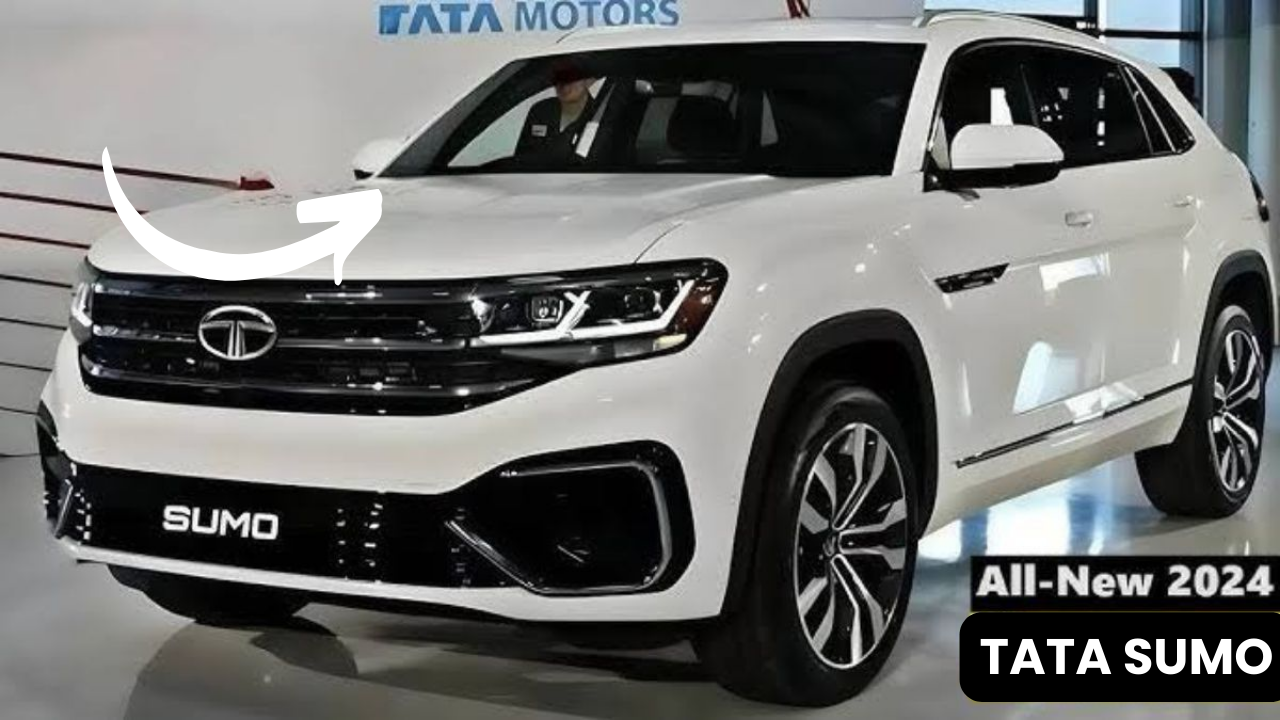
    Tata Motors is set to revive one of India’s most iconic vehicles, the Tata Sumo, in 2024. Known for its rugged charm and reliability, the Sumo was a dominant force on Indian roads for nearly three decades. Tata Motors is now returning this legendary vehicle with a perfect balance of modern features and timeless design, preserving the essence that made it a household name.

    Tata Sumo: A Legacy Reimagined

    The Tata Sumo first graced Indian roads in 1994, quickly becoming the preferred choice for families, businesses, and government fleets due to its durability and versatile design. While changing market dynamics led to its discontinuation, Sumo’s legacy never faded. In 2024, Tata Motors reintroduces the Sumo with contemporary upgrades while maintaining its core values. This revival isn’t just a nod to the past—it’s a bold step forward for the iconic vehicle.

    Design Evolution: Classic Meets Modern

    The new Tata Sumo blends nostalgia with modern aesthetics. While the classic boxy silhouette remains, the design has been refined for a more premium look. The front features a bold chrome grille and sleek LED headlamps, giving the vehicle a strong road presence. The side profile showcases muscular wheel arches and an aggressive stance, while the rear sports vertically stacked LED taillights, maintaining a unique identity.

    Pratap Bose, Head of Design at Tata Motors, explains, “We’ve honored the Sumo’s iconic shape while adding modern design elements to appeal to today’s SUV enthusiasts.”

    Interior Comfort and Practicality

    Inside, the 2024 Tata Sumo offers a blend of comfort and utility. The seven-seater configuration, a hallmark of the original, has been improved with better support and versatility. High-quality materials and premium touches elevate the cabin experience, while the addition of a panoramic sunroof provides a spacious, airy feel. The extensive touchscreen infotainment system, digital instrument cluster, and climate control ensure that the ride is as comfortable as it is functional.

    Powertrains: Performance Meets Efficiency

    Under the hood, the new Tata Sumo will feature a 2.0-liter turbocharged diesel engine, balancing power and fuel efficiency. Both manual and automatic transmission options will be available, catering to different driver preferences. Rumors suggest that the Sumo may also offer petrol and hybrid variants, catering to the growing demand for eco-friendly options.

    Advanced Technology and Safety Features

    The 2024 Tata Sumo focuses on ruggedness but also incorporates modern technology and advanced safety features. The infotainment system supports wireless Apple CarPlay and Android Auto, and a 360-degree camera aids parking and maneuvering. On the safety front, multiple airbags, ABS with EBD, electronic stability control, and driver assistance features ensure a safe driving experience.

    Pricing and Market Positioning

    The new Tata Sumo is expected to be priced between ₹12 lakh and ₹18 lakh, placing it in the mid-size SUV segment. This competitive pricing strategy offers excellent value compared to popular models like the Mahindra Scorpio and Hyundai Creta. Tata Motors believes Sumo’s blend of rugged charm, modern technology, and practicality will help it carve out a unique space in the competitive SUV market.

    The Road Ahead: Challenges and Opportunities

    The reintroduction of the Tata Sumo is a bold move in an increasingly crowded SUV market. While challenges are ahead, including competition from established players, Tata Motors’ deep understanding of the Indian consumer and commitment to innovation gives Sumo a distinct advantage. The 2024 model is well-positioned to rekindle the passion for this legendary vehicle.

    Conclusion: The Return of an Icon

    The revival of the Tata Sumo is more than just the launch of a new vehicle—it’s the return of a beloved icon. With its perfect mix of classic design, modern features, and competitive pricing, the 2024 Tata Sumo is poised to make its mark on Indian roads once again. For those fond memories of the Sumo, its return offers a chance to rediscover a legend reimagined for today’s world.

  • Citroen C3: A Bold New Challenger in the Premium Hatchback Market

    Citroen C3: A Bold New Challenger in the Premium Hatchback Market

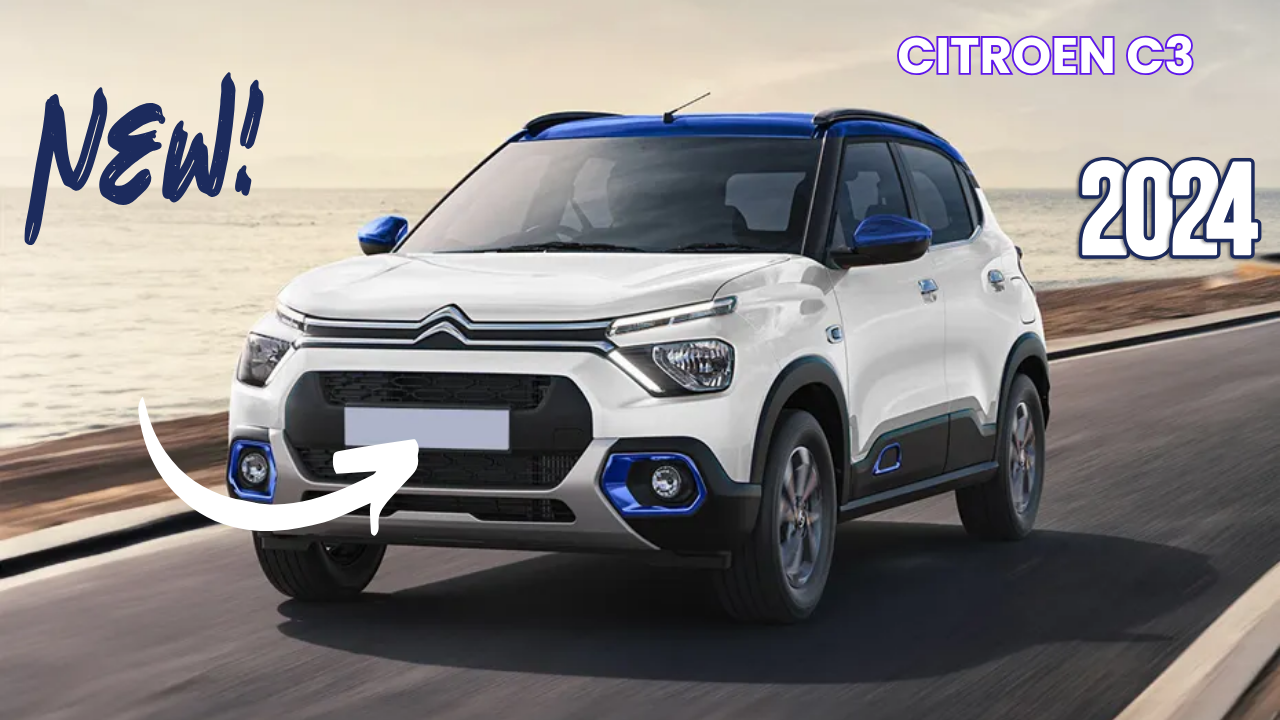
    Citroen C3 : has officially arrived in the Indian car market, making a strong statement in the premium hatchback segment. If you’re a fan of the Maruti Suzuki Baleno or similar models, it’s time to take a closer look, as this French contender is offering some serious competition.

    Design: A Quirky and Stylish Newcomer

    First impressions matter, and the Citroen C3 doesn’t disappoint. Its unique design stands out with bold lines and an edgy aesthetic, offering a refreshing departure from the conventional styles we’re used to. The front grille, paired with sleek LED daytime running lights, gives the hatchback a modern and confident look.

    Inside, the cabin has a chic vibe with more space than expected. The dashboard features a functional and stylish layout, along with an extensive 10-inch touchscreen infotainment system that adds a premium touch to the experience.

    Performance: Power and Efficiency Combined

    Under the hood, the Citroen C3 offers two engine options: a naturally aspirated 1.2-liter engine and a more powerful turbocharged 1.2-liter variant. The naturally aspirated version delivers 82 horsepower, while the turbocharged variant provides an impressive 110 bhp and 190 Nm of torque. Buyers can choose between efficiency or performance depending on their needs.

    Although the Baleno’s 1.2-liter engine offers 89 bhp, Citroen’s turbocharged engine takes the excitement factor up a notch.

    Pricing: An Affordable Option

    One of the most attractive aspects of this new car is its pricing. Starting at ₹6.16 lakh, it’s more affordable than the Maruti Suzuki Baleno, which begins at ₹6.66 lakh. This makes the C3 a stylish choice and a cost-effective one for those looking for a premium hatchback on a budget.

    Features: A Bold Mix of Comfort and Technology

    The Citroen C3 brings a strong combination of comfort and tech features. While it may not have a 360-degree camera or a head-up display like the Baleno, it offers other advantages in terms of driving experience. The suspension system ensures a smooth ride, and the C3’s ability to absorb bumps and potholes makes it an excellent choice for urban and highway driving alike.

    Inside, the car features modern materials and a user-friendly technology setup, including a 10-inch touchscreen with support for Apple CarPlay and Android Auto.

    Fuel Efficiency: Competitive Numbers

    While the Baleno is more fuel-efficient at 22.35 km, the Citroen C3 still offers a respectable 19.3 km. The slight difference in fuel efficiency is offset by the additional power the C3 delivers through its turbocharged engine variant.

    Ride Quality: Comfort Like No Other

    The ride quality of the Citroen C3 is a standout feature. The suspension system ensures a soft, comfortable ride for long drives or navigating rough roads. Compared to the Baleno, the C3 offers a softer ride, akin to choosing between a plush sofa and a designer chair — both comfortable, but one with extra flair.

    Citroen C3 vs. Maruti Suzuki Baleno: The Verdict

    So, how does the Citroen C3 compare with the Maruti Suzuki Baleno? While both cars have their own merits, the C3 is an exciting alternative for those seeking something different. The Baleno excels in reliability, fuel efficiency, and features, making it a practical choice. However, the Citroen C3 provides a more thrilling driving experience with its bold design and powerful performance.

    For those looking for a hatchback that stands out and offers a unique experience, the C3 brings fun and flair to the table.

    The Citroen C3 is certainly making waves in the Indian premium hatchback market. It offers a fresh alternative to the Maruti Suzuki Baleno, combining style, performance, and comfort in one affordable package. While it may not have the same long-established reputation for reliability, it excites the segment.

    Whether you choose the practical, fuel-efficient Baleno or the fun and stylish Citroen C3, one thing is clear — India’s premium hatchback segment just got a lot more interesting.

  • Force Gurkha Launched: Ultimate SUV for Adventure Lovers

    Force Gurkha Launched: Ultimate SUV for Adventure Lovers

    The Force Gurkha SUV is the vehicle that redefines what it means to be adventurous. It’s more than just a mode of transport; it’s an embodiment of power, performance, and the spirit of exploration. Ready to take on the most challenging terrains, the Force Gurkha SUV proves to be a rugged companion for those who believe that the less traveled road is the only one worth taking.

    Built for the Wild

    When you look at the Force Gurkha SUV, you immediately recognize its purpose. This SUV isn’t built for comfort or city cruising; it’s designed to dominate challenging trails. The boxy, muscular design of the Force Gurkha SUV is a visual promise of its capability, with every angle made to withstand the elements.

    Rugged Exterior: The Force Gurkha SUV’s Dominance on Any Terrain

    The Force Gurkha SUV features large wheel arches and chunky tires, hinting at its off-road capabilities. The bold grille and high ground clearance ensure this vehicle is ready for the harshest environments, from rocky mountain trails to muddy riverbeds. The iconic snorkel is more than just a visual feature; it’s built to handle deep water crossings, ensuring your journey doesn’t end with a river.

    Performance: Power Meets Precision

    At the heart of the Force Gurkha SUV lies a 2.6-litre diesel engine that delivers a solid 90 bhp and 250 Nm of torque, providing ample power to conquer the roughest terrains. The 5-speed manual transmission allows you to control every shift and adapt to the changing landscape.

    4×4 System: Unlock the Full Potential of the Force Gurkha

    The Force Gurkha SUV’s 4×4 system is its most defining feature. Equipped with a low-range gearbox and differential locks on both axles, this vehicle ensures maximum traction in the most challenging conditions. The Force Gurkha SUV is ready for every adventure, from steep inclines to muddy slush.

    Interior: Comfort for the Long Hauls

    While the Force Gurkha SUV is all about rugged capabilities, it doesn’t ignore the need for essential comfort. Inside, the vehicle offers ample space to keep you comfortable during long and bumpy rides. With spacious seating and panoramic windows, the interior perfectly balances adventure and comfort.

    Infotainment in the Force Gurkha: Essential for Every Journey

    The Force Gurkha SUV may not offer luxury-level technology, but it has a reliable touchscreen infotainment system to keep you connected. With essential features like navigation, music, and vehicle info, the system ensures you stay on track, even when off-roading.

    Force Gurkha vs Mahindra Thar: Battle of the Giants

    When comparing the Force Gurkha SUV to its nearest competitor, the Mahindra Thar, it’s clear that both vehicles are suited for adventure lovers. However, the Force Gurkha SUV leans heavily towards raw ruggedness, while the Thar focuses on comfort and performance. The Force Gurkha SUV is the better choice for true off-road enthusiasts, as it’s designed without compromise.

    Which One Is Right for You: Force Gurkha or Mahindra Thar?

    The decision between the Force Gurkha SUV and the Mahindra Thar comes to priorities. If you’re looking for a no-nonsense vehicle built for conquering the wild, the Force Gurkha SUV should be your go-to. On the other hand, if you want a mix of comfort and off-road power, the Thar may be more suited to your needs.

    Pricing: Affordable Power for Every Adventurer

    The Force Gurkha SUV offers incredible value for its price. With a starting price of ₹13.59 lakh (ex-showroom), it is positioned as an affordable choice for those seeking an adventure vehicle. The Force Gurkha SUV doesn’t skimp on performance or durability despite its competitive pricing.

    Pricing Strategy of the Force Gurkha: Why It’s Worth Every Penny

    At its price point, the Force Gurkha SUV offers an unbeatable off-road experience. Whether exploring the mountains or venturing through forests, this vehicle allows you to explore without breaking the bank.

    Fuel Efficiency of the Force Gurkha: Focus on Performance, Not Mileage

    Regarding fuel efficiency, the Force Gurkha SUV hasn’t won any awards. But that’s not what it’s designed for. This vehicle is made for power, not fuel savings. For adventure enthusiasts, it’s more about getting to the destination than worrying about miles per liter.

    Fuel Economy of the Force Gurkha: What You Should Expect

    Though the Force Gurkha SUV offers average fuel economy, it’s designed to thrive under challenging conditions. If you plan to take on the most demanding trails, the Force Gurkha SUV is your perfect companion, even if fuel efficiency isn’t its strongest suit.

    The Force Gurkha is Built for the Bold

    The Force Gurkha SUV is not just a vehicle; it’s a statement. If you’re someone who thrives on off-road exploration, this is the SUV you need. With unbeatable power, a rugged design, and a 4×4 system built for challenging terrain, the Force Gurkha SUV makes every adventure possible. So, if you’re ready to leave behind the paved roads and venture into the wild, the Force Gurkha SUV is waiting to lead the way.

  • Tata Nano EV 2024: Affordable Electric Car for ₹2 Lakh

    Tata Nano EV 2024: Affordable Electric Car for ₹2 Lakh

    In India’s vibrant and fast-moving automotive landscape, the name Tata Nano is making headlines once again. After years of fading into obscurity, this iconic car is returning in an entirely new avatar. But this time, it’s not just about affordability—it’s about electrifying the future. The Tata Nano EV, poised to significantly impact the electric vehicle (EV) segment, promises to revolutionize the way Indians think about mobility.

    The History of Tata Nano: A Brief Overview

    When Tata Motors introduced the Nano in 2008, it was nothing short of revolutionary. Launched as the world’s cheapest car, priced at a mere ₹1 lakh, the Nano became an instant global sensation. Tata Motors had set out to make cars affordable for millions of Indians, providing an accessible option for families looking for their first vehicle. However, the Nano’s journey wasn’t without its challenges. Despite the initial excitement, issues such as safety concerns, quality problems, and an association with “cheapness” hindered its success.

    By 2018, production of the Nano had ceased, leaving many to assume that the car’s story had come to a close. However, in 2024, Tata Motors is giving the Nano a second chance with a complete transformation—introducing the all-new Tata Nano EV.

    Tata Nano EV: The Electric Revolution Begins

    The automotive industry has drastically evolved since the original Nano’s debut. With a global shift towards sustainability and electric vehicles, Tata Motors is reintroducing the Nano with an electric powertrain. This marks a new chapter for the Nano, as it steps into the electric vehicle (EV) market, which is booming in India.

    India has set ambitious targets for EV adoption, aiming to reduce its carbon footprint while encouraging more sustainable forms of transport. In this context, the new Tata Nano EV is positioned as an affordable, eco-friendly solution for the growing number of consumers seeking electric alternatives without breaking the bank.

    Redefining the Nano: Design and Features

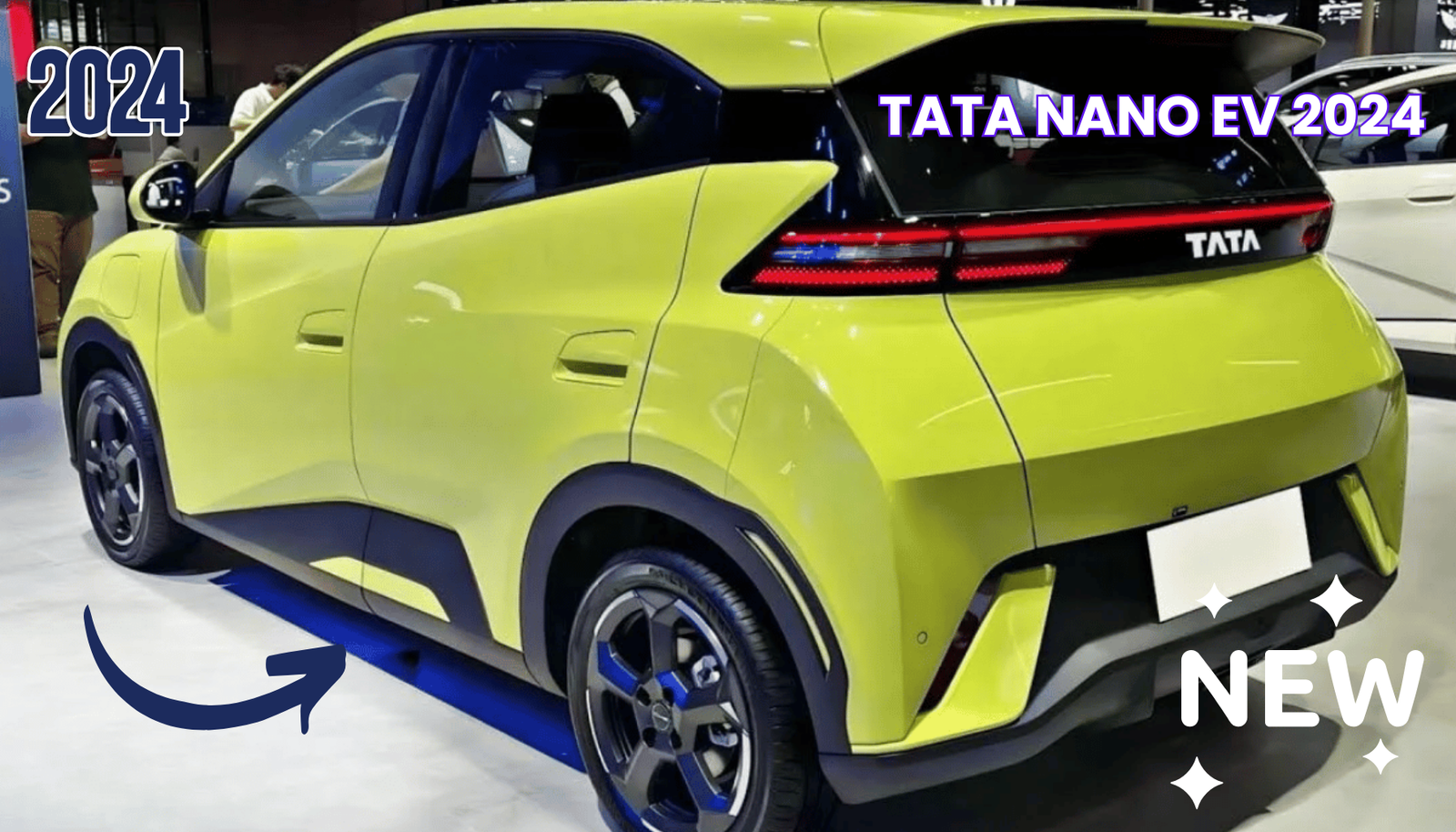
    The 2024 Tata Nano EV is far from its predecessor’s compact, minimalist design. Tata Motors has meticulously redesigned the Nano EV to appeal to modern consumers while retaining the compactness that made the original so successful. At just over 3 meters in length, it is perfect for urban driving and navigating narrow streets, making it an ideal choice for city dwellers.

    The new Nano features a sleek, contemporary design that eliminates the “cheap car” image the original Nano was associated with. The front of the car sports LED headlights, while alloy wheels, a stylish grille, and modern body lines give it a premium look that elevates its appeal. Inside, the Nano EV comes equipped with a digital instrument cluster, a touchscreen infotainment system, and advanced connectivity features. These additions bring the Nano firmly into the 21st century, ensuring a modern driving experience.

    One of the most notable improvements in the Nano EV is its safety features. Tata Motors has taken significant steps to address safety concerns by incorporating a reinforced body structure, dual airbags, and an anti-lock braking system (ABS) as standard. This overhaul demonstrates Tata’s commitment to both design and safety, reassuring consumers who were previously hesitant about the Nano’s build quality.

    Power and Performance: Small Yet Mighty

    Under the hood of the new Tata Nano EV lies a 20 kWh lithium-ion battery pack, providing an estimated driving range of 200-250 kilometres on a full charge. While not groundbreaking by global standards, this range is more than sufficient for the daily commute in Indian cities. Whether you’re heading to work, dropping the kids off at school, or running errands, the Nano EV offers a practical solution for urban mobility.

    The electric motor powers the car with instant torque, ensuring smooth acceleration in city traffic. The top speed is capped at 100 km/h, making it ideal for short-distance urban drives. While the Nano EV may not be designed for long highway cruises, it is perfectly suited for the daily requirements of Indian consumers.

    One of the standout features of the Nano EV is its fast-charging capability. Tata Motors claims the battery can be charged from 0-80% in just under an hour using a fast charger. This makes the Nano EV an extremely convenient option for users looking to top up their battery during a shopping trip or while on a short break.

    Affordable Pricing: The Nano EV’s Key Selling Point

    Perhaps the most exciting aspect of the new Tata Nano EV is its pricing. Tata Motors is targeting a starting price of ₹2 lakh for the base model, making it one of the most affordable electric vehicles in India. This aggressive pricing strategy aims to make EVs accessible to a broader segment of the population, especially first-time car buyers and those looking for an affordable entry into the world of electric mobility.

    The Nano EV’s price tag is made possible through local manufacturing, government incentives for electric vehicles, and Tata Motors’ ability to leverage economies of scale in battery production. For a price comparable to that of a high-end scooter or motorcycle, the Nano EV provides a car’s safety and comfort, along with low operating costs and the environmental benefits of going electric.

    Market Competition and Impact

    With the Nano EV’s re-entry into the market, Tata Motors is positioning itself as a leader in India’s electric vehicle sector. The Nano EV’s affordability is expected to give Tata Motors a significant advantage in the battle for the entry-level electric vehicle market. The launch has sparked competition, with other automakers rushing to develop their own affordable electric cars.

    The Nano EV stands out as a viable alternative to two-wheelers, offering a safer, more comfortable, and cleaner mode of transportation. In India’s urban areas, where traffic congestion and pollution are growing concerns, the Nano EV could play a crucial role in the shift towards more sustainable transportation options.

    Challenges for the Tata Nano EV

    While the Nano EV presents an exciting opportunity, Tata Motors will need to overcome challenges. One of the primary concerns for consumers is the limited charging infrastructure in India, particularly in smaller towns and rural areas. Although Tata Motors is working on partnerships with charging network providers and offering home charging solutions, the infrastructure needs to expand to meet the growing demand for electric vehicles.

    Range anxiety, where potential buyers fear the car may run out of charge before reaching their destination, is another concern. Tata Motors aims to address this by educating consumers about the practical use cases for the Nano EV and highlighting the benefits of its range, which is adequate for daily commutes and short trips.

    The Road Ahead: Tata Nano EV’s Impact on India’s EV Future

    The introduction of the Tata Nano EV represents more than just a product launch—it is a crucial step towards making electric mobility accessible to the masses. By offering an affordable and sustainable car, Tata Motors hopes to drive India’s transition to electric vehicles and inspire other countries with similar transportation challenges.

    The Nano EV could become a symbol of how to democratize electric mobility in emerging markets, providing a model for making electric cars accessible to a broader segment of the population. If it succeeds in its mission, it could reshape India’s transportation landscape and contribute significantly to the country’s efforts to reduce carbon emissions.

    A New Beginning for the Tata Nano EV

    As Tata Motors relaunches the Nano EV in 2024, it’s clear that this is more than just the revival of an iconic brand. It’s a bold move towards a greener, more sustainable future. With a price tag of ₹2 lakh, the Nano EV is set to become a game-changer in the Indian automotive market, providing millions of Indians with an affordable entry into the electric car world.

    Whether the Nano EV will succeed where its predecessor failed remains to be seen, but one thing is certain—the new Nano has the potential to redefine affordable electric mobility in India, and Tata Motors is ready to make its mark on the EV revolution. The journey of the Tata Nano may have had its ups and downs, but the road ahead is filled with exciting possibilities.

Enable Notifications OK No thanks